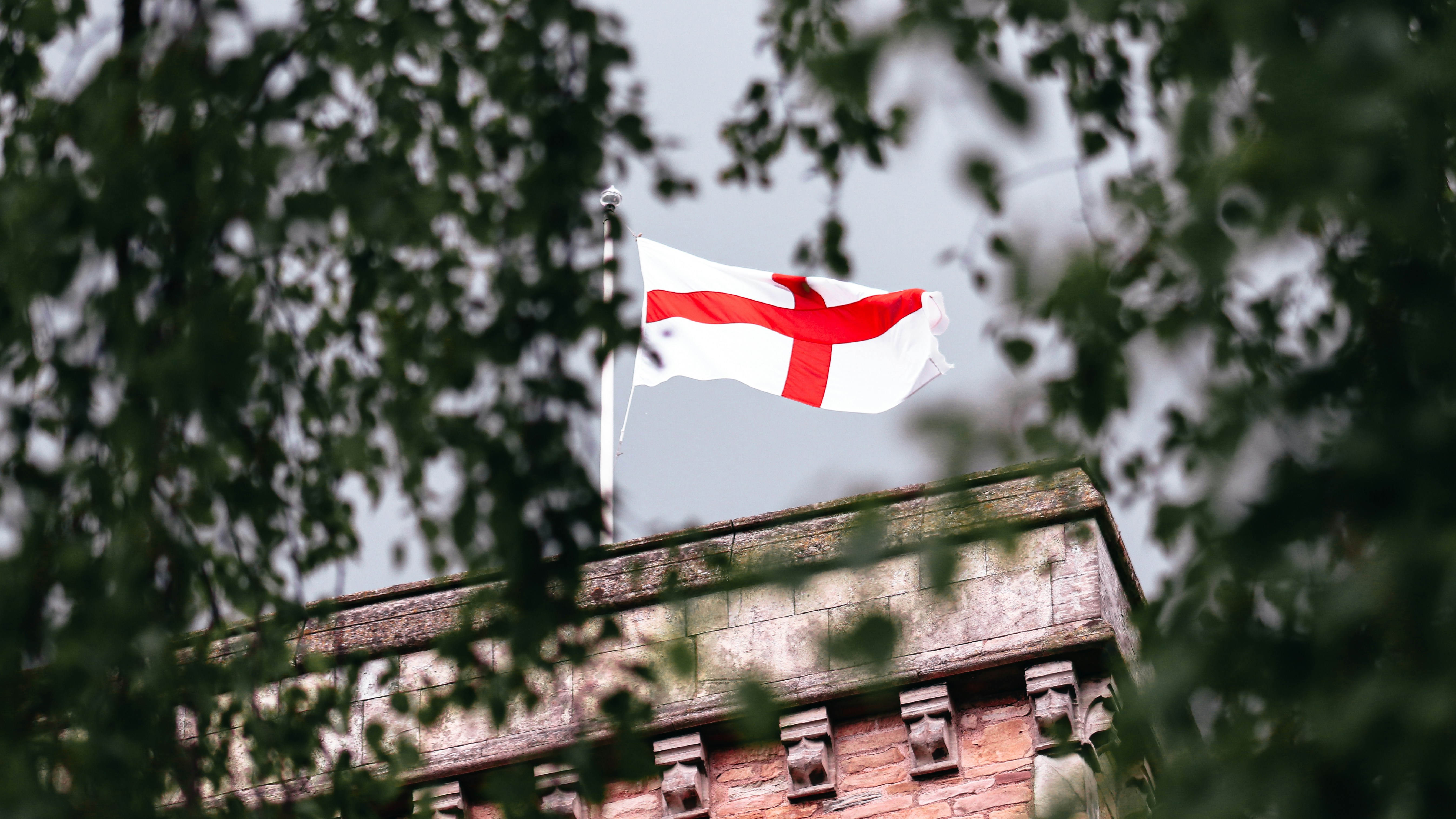
There is an increase in the use of the St George’s and Union flags and the promotion of Christian Nationalism online and through public marches. There are also many instances of the red cross of the St George’s flag being painted onto roundabouts, zebra crossings and bus stops, amongst other things. While some aspects of these campaigns may attempt to affirm positive values and purport merely to promote patriotism, others are accompanied by rhetoric that has caused distress and fear for many and created divisions in communities.
Coventry has a clear call to reconciliation rooted in the story of our cathedral and expressed through the Community of the Cross of Nails. We have produced a resource to help Christians engage thoughtfully and faithfully with these complex issues—and with those who promote them—rooted in Christ’s call to love our neighbour and seek truth with compassion. (1 John 4:7 & 8) It is hoped it will help promote understanding and reconciliation.
Bishop Sophie was keen to produce a resource to support and equip those serving in our parishes and chaplaincies for good and positive engagement where possible.
Download the Responding to Christian Nationalism Resource.
England United Toolkit
The England United: Pride Not Prejudice project begins by publishing this toolkit because there is a lot of uncertainty about how to talk about England. These are volatile times at home and abroad. The symbols of Englishness can look more like part of the problem of polarisation than something we can share. It is not surprising if people and institutions are wary of engaging in debates about identity that can feel so heated. So we hope to build more confidence – among our civic institutions and ultimately the country as a whole – that there is a public appetite for an inclusive expression of English pride, open to all of us here in England.
Why we need to speak up for an inclusive England How do we talk about England today and what could bring a changing England together?
Will national symbols and occasions be experienced as things that divide or unite us?
Are those who insist on rejecting the English identity of some of us going to narrow our sense of who we are as a nation?
Or could we voice a pride in England that is inclusive enough to invite everyone who calls this country home to join us and celebrate it?
This toolkit hopes to answer these questions and offer practical advice to those seeking to bring people together by celebrating pride in an inclusive England and Englishness that rejects prejudice. Because pride can unite England today in a way that prejudice never could. We hope you will share your experiences of joining us on this journey.